SMALL HABITS • REAL MOMENTUM • HEALTHIER YOU • ONE DAILY HABIT AT A TIME
Friday Muse
One better question. Every Friday.
For women who
want to stop waiting
and start moving forward . . .
one simple shift at a time.
Most newsletters tell you what to do.
Friday Muse helps you think differently first.
Friday Muse
One better question. Every Friday.
For women who
want to stop waiting
and start moving forward .
one simple shift at a time.
Most newsletters tell you what to do.
Friday Muse helps you
think differently first.
What Area Of Your Life Do You Want to Focus On?
You don't have to work on everything at once. Pick the one area that feels most important right now.
I Want To Feel Better
Food. Energy. Aging.
Everyday wellness.
Explore simple ways to take better
care of yourself—one habit at a time.

I Want To Move Forward
Less chaos. Fewer open loops.
More breathing room.
Find practical ideas for making everyday
life feel a little more manageable.

I Want More Freedom
More income. More options.
Something of your own.
Explore realistic ways to start building
more freedom—one step at a time.
What Area In
Your Life Do You
Want to Focus On?
You don't have to work on everything
at once. Pick the one area that feels
most important right now.
I Want To Feel Better
Food. Energy. Aging.
Everyday wellness.
Explore simple ways to take better
care of yourself—one habit at a time.
I Want To Move Forward
Less chaos. Fewer open loops.
More breathing room.
Find practical ideas for making everyday
life feel a little more manageable.
I Want More Freedom
More income. More options.
Something of your own.
Explore realistic ways to start building
more freedom—one step at a time.
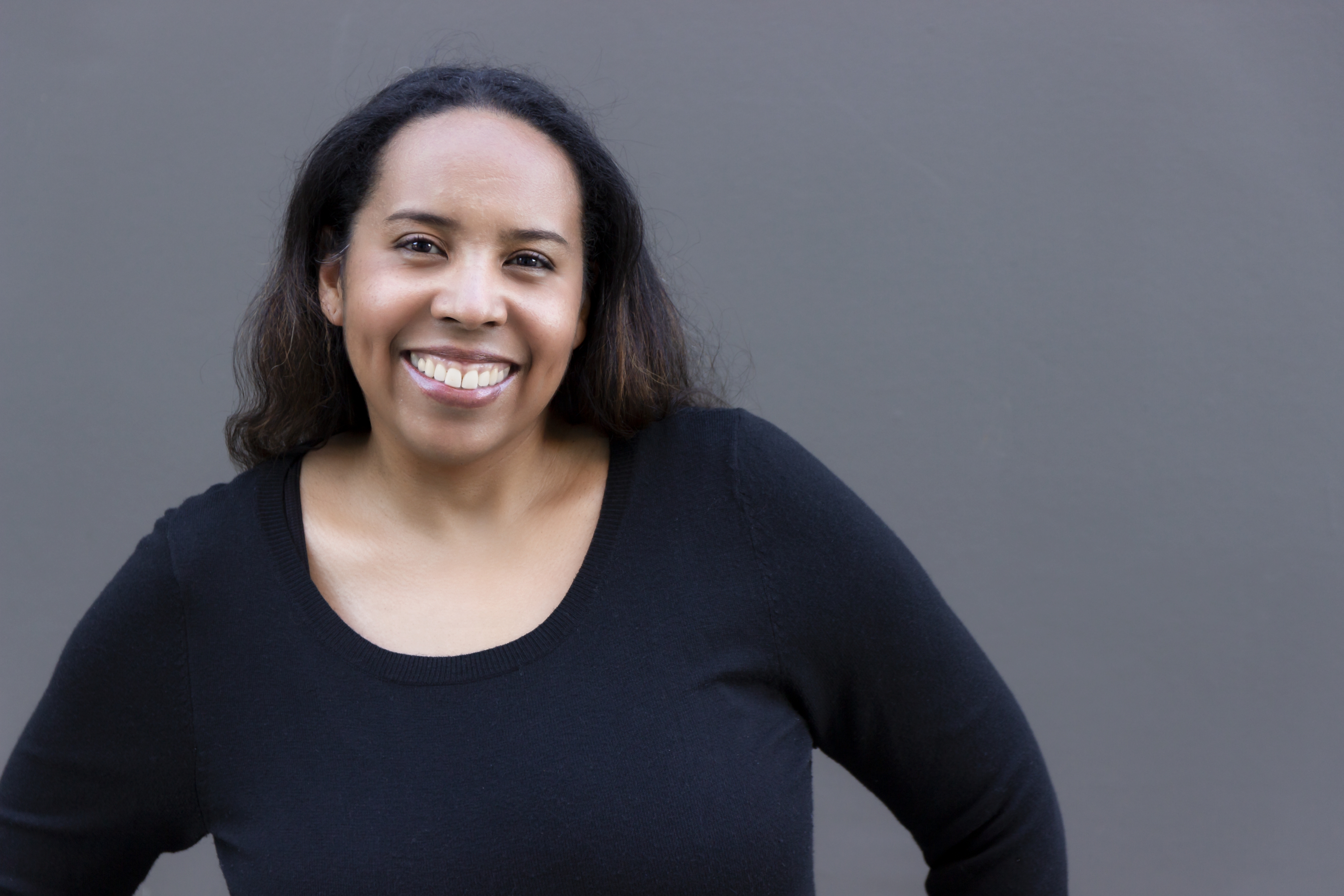
Hi. i'm georgina
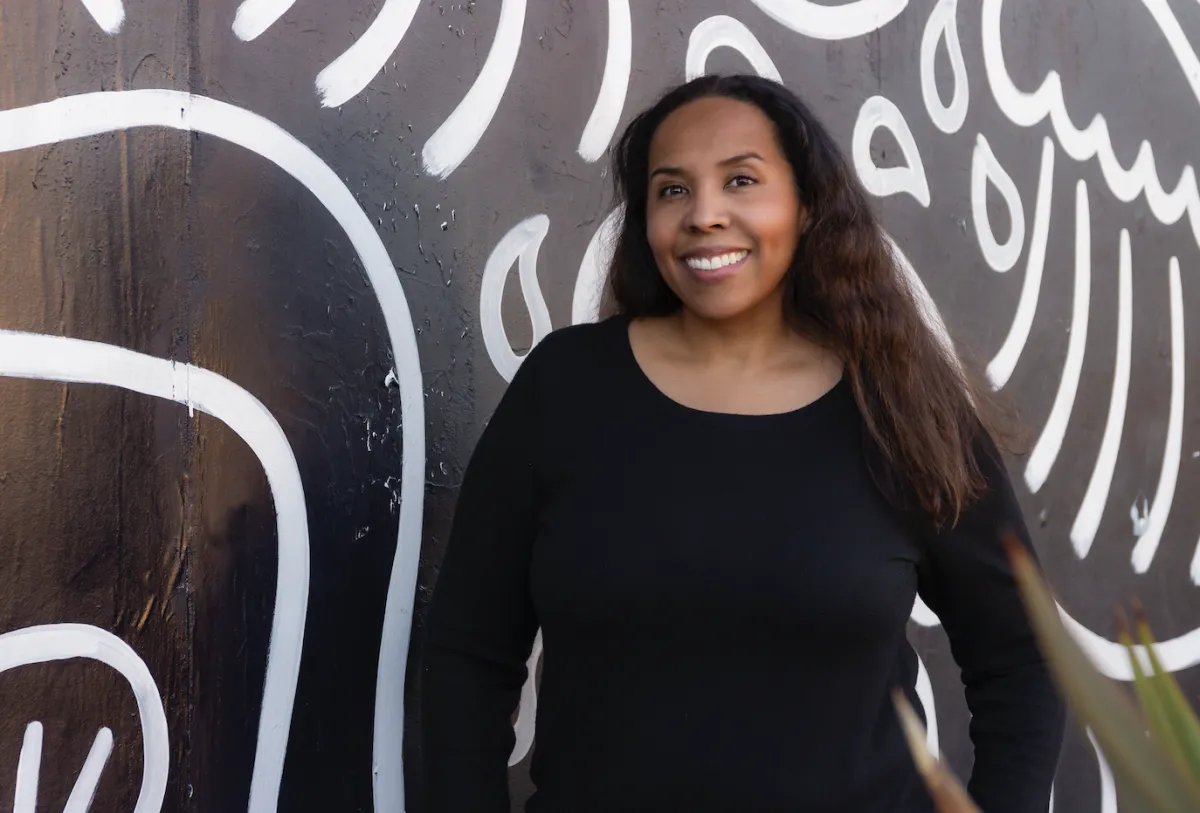
Why One Daily Habit Exists
Because I have been where you are!
Spent years trying to change everything at once—starting over on Mondays, buying the plans, reading the books, and wondering why I still felt stuck.
Eventually, I started asking a different question.
Instead of:
“How do I fix all of this?”
I started asking:
“What's one small thing I can actually change today?”
Turns out, a better question can give you a very different place to start.
That's the idea behind One Daily Habit.
Not fixing your entire life by Friday.
Just looking at the problem differently, finding one place to begin,
and seeing where one small shift takes you.
Hi! i'm georgina
Why One Daily Habit Exists
Because I have
been where you are!
Spent years trying to change everything
at once—starting over on Mondays,
buying the plans, reading the books,
and wondering
why I still felt stuck.
Eventually, I started asking
a different question.
Instead of:
“How do I fix all of this?”
I started asking:
“What's one small thing
I can actually change today?”
Turns out, a better question can
give you a very different place to start.
That's the idea behind One Daily Habit.
Not fixing your entire life by Friday.
Just looking at the problem differently,
finding one place to begin,
and seeing where one small shift takes you.
Helping women build momentum through better questions and better habits.
Helping women build momentum
through better questions
and better habits.

What If You Don’t Need to Replace Your Paycheck?
What If You Don’t Need to Replace Your Paycheck?
Your first income goal might be getting one
meaningful expense off your plate.
There is a strange thing that happens when you ask the internet to show you how to make extra money.
You don’t get to ease into the conversation.
No one asks whether an extra $300 a month would help or $100K.
They immediately want to know when you’re quitting your job, replacing your salary and building a six-figure business from your kitchen table.
Apparently, we’re skipping right over “cover the car payment” and heading directly toward “retire your husband by Thursday.”
No wonder so many women feel overwhelmed before they begin.
Maybe the goal isn’t too big. Maybe it’s too far away.
Wanting to replace your paycheck isn’t wrong.
Wanting more freedom, more options or something of your own isn’t wrong either.
But “replace my entire income” may not be a useful first goal when you’re still trying to figure out:
What you could sell
Who might buy it
What you would actually keep from each sale
How people would find you
Whether you even enjoy doing it
A big income goal can be exciting.
It can also be so far removed from your current reality that it gives you absolutely no clue what to do next.
That doesn’t mean you need a smaller dream.
It may mean you need a better starting point.
What if you started with one expense?
Instead of asking:
How do I replace my entire paycheck?
What if you asked:
What is one meaningful expense I would love for my business income to cover?
Not every bill.
Not your entire mortgage, grocery budget, retirement account and the family vacation you’ve been mentally planning since 2019.
Just one expense.
Maybe it’s:
Your car payment
Groceries
The electric bill
A credit card payment
Your child’s activities
An extra payment toward debt
The amount you want to save each month
That one expense that makes you mutter under your breath every time it appears
Covering one expense may not create complete financial freedom.
But it can create breathing room.
More importantly, it gives you something specific to work with.
This became personal for me
In May 2026, I bought a brand-new car. It was exciting—right up until I drove off the lot and had one of those What the heck did I just do? moments.
The payment was not exactly pocket change.
Instead of letting panic take the wheel, I gave myself a personal challenge: use income I create outside my regular paycheck to pay off the car within one year.
Ambitious? Absolutely. Guaranteed? Not even slightly.
But it gave my extra-income goal a real purpose—and a number I could actually begin working toward.When I look at the entire balance, it feels large.
Very large.
The kind of large that makes you close the banking app and decide now would be an excellent time to reorganize the pantry.
But the total balance isn’t the only way to look at the goal.
I can also ask:
What would it take to cover the regular payment?
What would one additional principal payment require?
What could I create, sell or recommend to contribute toward it?
How many sales would that require?
What would I need to learn before those numbers became realistic?
The goal didn’t change.
The question did.
And a better question gave me somewhere to begin.
Let’s make the math human
Imagine you choose a $300 monthly expense.
Now imagine you have an offer that leaves you with $30 from each sale after direct costs and fees.
The basic calculation is:
$300 ÷ $30 =10
You would need ten completed sales to generate approximately $300 in usable income.
That’s the sales math.
But—and this is a very important but—it is not a sales forecast.
The calculation does not tell you:
Whether ten people want the offer
How many people need to see it
How long making ten sales could take
Whether the income will repeat next month
Whether your price or costs will change
Whether this is the right offer for you
A spreadsheet can calculate ten sales.
It cannot go find the ten customers.
Rude, honestly.
It could at least try.
Revenue is not necessarily money you can spend
This is another detail that tends to go missing in exciting online-income conversations.
If someone pays $40 for your product, that does not always mean you have $40 available to put toward your chosen expense.
You may also have:
Payment-processing fees
Platform fees
Supplies
Shipping or delivery costs
Advertising expenses
Affiliate adjustments
Refunds
Money you choose to reserve for taxes
Your more useful number is not simply what the customer pays.
It’s what remains after the direct costs connected to making that sale.
That number may be less exciting, but it is considerably more helpful.
And I’d rather work with useful math than motivational math wearing lip gloss.
“But isn’t this thinking too small?”
I can hear that argument.
If your goal is freedom, why start with one expense?
Because starting with one expense does not mean stopping with one expense.
It means giving yourself a manageable way to test:
One income idea
One offer
One group of potential buyers
One way of reaching them
One set of assumptions
You can learn from a $300 goal.
You can revise it.
You can build on it.
You can eventually cover a second expense, increase the goal or decide that the income path you tested is not one you want to continue.
That is still progress.
The objective isn’t to stay small forever.
It’s to stop demanding that your first attempt carry the weight of your entire financial future.
What could you use to create the income?
You may already be thinking:
This sounds lovely, but I have no clue what I would sell.
Fair.
Additional income can come from several kinds of work, including:
Offering a service based on something you already know how to do
Creating a digital product, template, guide or resource
Earning an affiliate commission by recommending something you genuinely use
Creating, sourcing or reselling a physical product
Each path comes with different costs, skills, timelines and responsibilities.
None is automatically easy.
None is passive simply because someone on Instagram photographed it beside a laptop and a beverage.
For now, you don’t have to select your forever business model.
You need one possibility worth examining more closely.
The number is only the beginning
Knowing that you need ten sales is more useful than saying,
“I want to make more money.”
But it still isn’t a complete plan.
A useful next step might be:
Clarifying who the offer is meant to help
Talking with someone who experiences the problem
Finding real examples of people asking for help with it
Confirming the commission, fees or costs
Identifying one realistic way to reach potential buyers
Testing interest before building the full offer
The goal isn’t to remove every unknown before you begin.
The goal is to identify which unknown deserves your attention next.
That’s how vague ambition begins turning into useful information.
Unlearn This
If it doesn’t replace my paycheck, it doesn’t count.
Of course it counts.
The first time something you created, sold or recommended pays a real expense, it gives you more than money.
It gives you evidence.
Evidence that you can create value.
Evidence that someone is willing to pay for it.
Evidence that you can learn, adjust and do it again.
It may not be your finish line.
But it is a meaningful beginning.
One Daily Habit
Choose one expense you would love for business income to help cover.
Write down the actual monthly amount.
Then ask:
What is one income possibility I could run through the numbers—not commit my entire life to, just examine?
That’s it.
One expense. One possibility. One better question.
Find Your Breathing Room Income Goal
I created the free Breathing Room Income Calculator to help you:
Choose one meaningful monthly expense
Compare up to three possible income paths
Calculate what you may actually keep from each sale
See approximately how many sales the goal could require
Identify the next assumption worth testing
It won’t promise that the sales will happen.
It will give you a clearer place to begin.
GET THE BREATHING ROOM INCOME CALCULATOR
Because you don’t need to map your entire financial future today.
You just need to decide which piece is worth understanding next.

The Breathing Room Income Calculator and this article are provided for educational planning purposes. They do not guarantee income or business results and do not provide financial, legal, accounting or tax advice.

Explore The Blog
Think Differently
Prefer to explore on your own?
Browse practical ideas, better questions,
and simple habits you can actually use.

© COPYRIGHT 2026 Movement Media Group, LLC | ALL RIGHTS RESERVED | TERMS AND CONDITIONS | Affiliate Disclosure | Privacy Policy
© COPYRIGHT 2026 Movement Media Group, LLC ALL RIGHTS RESERVED | TERMS AND CONDITIONS Affiliate Disclosure | Privacy Policy